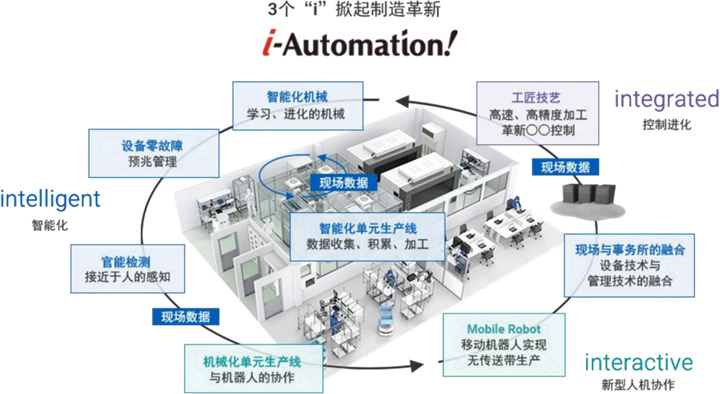



01. Core functions and architecture of SCADA system
SCADA(Supervisory Control and Data Acquisition, Data acquisition and monitoring system (SCADA) is a key infrastructure in the field of industrial automation, and its core functions include:
1. Data collection
Real time collection of production line data through distributed sensor networks (such as temperature, vibration, current, visual detection, etc.), with a sampling frequency typically ≥ 10Hz, ensures high-precision monitoring.
Supports multiple industrial communication protocols (Modbus, OPC UA, Profinet, CAN bus, etc.) and is compatible with devices from different manufacturers.
2. Data Processing and Analysis
Data cleaning (excluding outliers, filtering and denoising)
Real time calculation (KPIs such as OEE, MTBF, defect rate, etc.)
Automated alarm based on rule engine (such as SPC over limit warning)
3. Visual monitoring
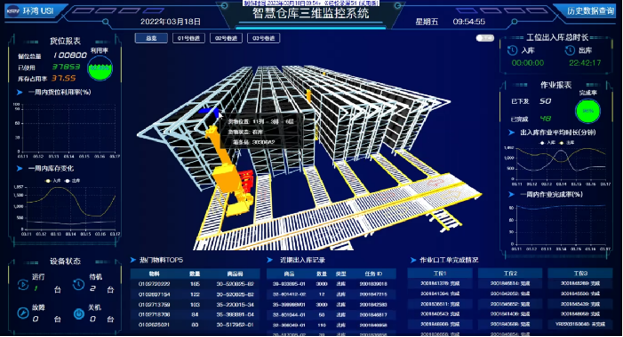
Dynamic HMI (Human Machine Interface) displays the status of the production line
Visualization tools such as trend charts, dashboards, alarm logs, etc
4. Control and Optimization
Production scheduling, quality traceability, and energy efficiency optimization based on data analysis
Integrating MES/ERP system to achieve production scheduling optimization
5. Transparency in the production process
Real time tracking of order progress
Automatic verification of process parameters
Immediate interception of quality defects
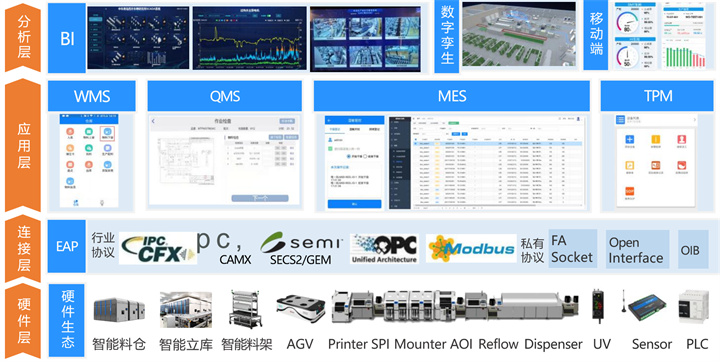
02. The Core Application of SCADA in Surface to Surface Interconnection
The core application of SCADA system (data acquisition and monitoring control system) in surface mount interconnection (such as SMT surface mount machine) is mainly reflected in real-time data acquisition, remote monitoring and intelligent control, as well as production efficiency and quality control optimization. ? ?
Real time data collection and monitoring
The SCADA system collects key parameters during the production process of the surface mount machine in real time through sensors and PLC, such as temperature, pressure, equipment status, etc., and transmits the data to the central control room for visual display. For example, the networking rate of SMT surface mount machines in the electronics industry can reach 100%, achieving real-time tracking of production progress and automatic verification of process parameters.
Remote control and abnormal warning
The system supports remote adjustment of device parameters and sets 500+abnormal judgment rules to achieve instant warning. ? ?
Production efficiency and quality control
Optimize production processes through data analysis and reduce rework rates through real-time interception of quality defects. In addition, the system can generate energy consumption heat maps to help identify high energy consuming links and optimize energy use. ? ?
Equipment lifecycle management
SCADA monitors equipment utilization and failure rates in real-time through OEE dashboards, helping enterprises achieve intelligent equipment maintenance.
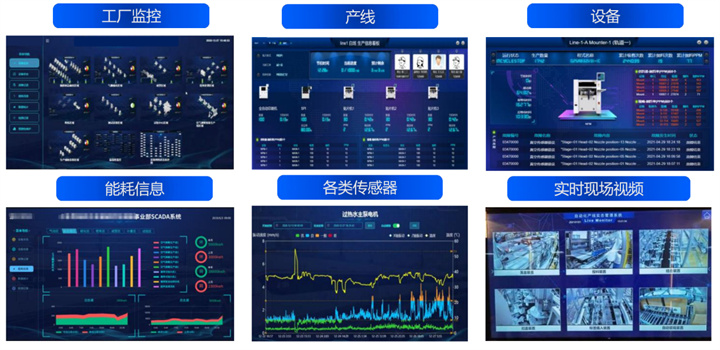
03. Key Technologies for Surface to Surface Interconnection
In the SMT (Surface Mount Technology) production line, the combination of SCADA system and SMT interconnection is mainly reflected in:
1. Realize intelligent monitoring of machine positioning
Comparison of predicted and actual usage data
Intelligent comparison and control of replenishment (replacement) operations
Dynamic information statistics of material throwing at each material station
2. Intelligent reminder of insufficient production line surplus
Implement replenishment measures for the production line based on the remaining stock of the material tray as a reference
Realize dynamic control of WIP information on the production line
3. Realize monitoring of machine operation information
Remote monitoring of machine dynamic production capacity and operation time analysis reports
Supervision of machine dynamic operation information analysis report
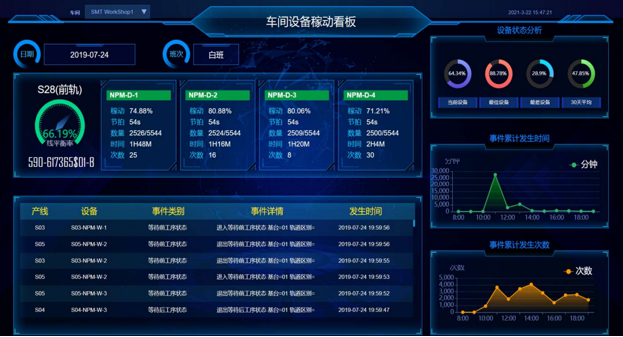
04. Technical Challenges and Solutions
challenge
Inconsistent protocols for multi brand devices
Massive data storage and query latency
High real-time requirements (<100ms)
Electromagnetic interference (SMT high-frequency environment)
Solution
Adopting OPC UA Unified Data Model
Time series database (InfluxDB/TDengine)
Edge computing+5G URLLC
Compliant with IEC 61000-4-3 shielding design
05. Future Development Trends
1. Deep integration of digital twins
Real time mapping of physical equipment status on virtual production lines, supporting "what if" simulation optimization
2. AI driven autonomous decision-making
Self tuning of SMT machine parameters based on reinforcement learning
3. Edge computing enabling real-time decision-making
Powerful intelligent algorithms that quickly process and analyze data, assisting intelligent devices in real-time decision-making
06. Summary
The combination of SCADA system and SMT interconnection technology has achieved the transformation of SMT production line from "experience driven" to "data-driven". In the future, with the maturity of technologies such as 5G, AI, and digital twins, intelligent manufacturing will move towards higher levels of automation and intelligence.